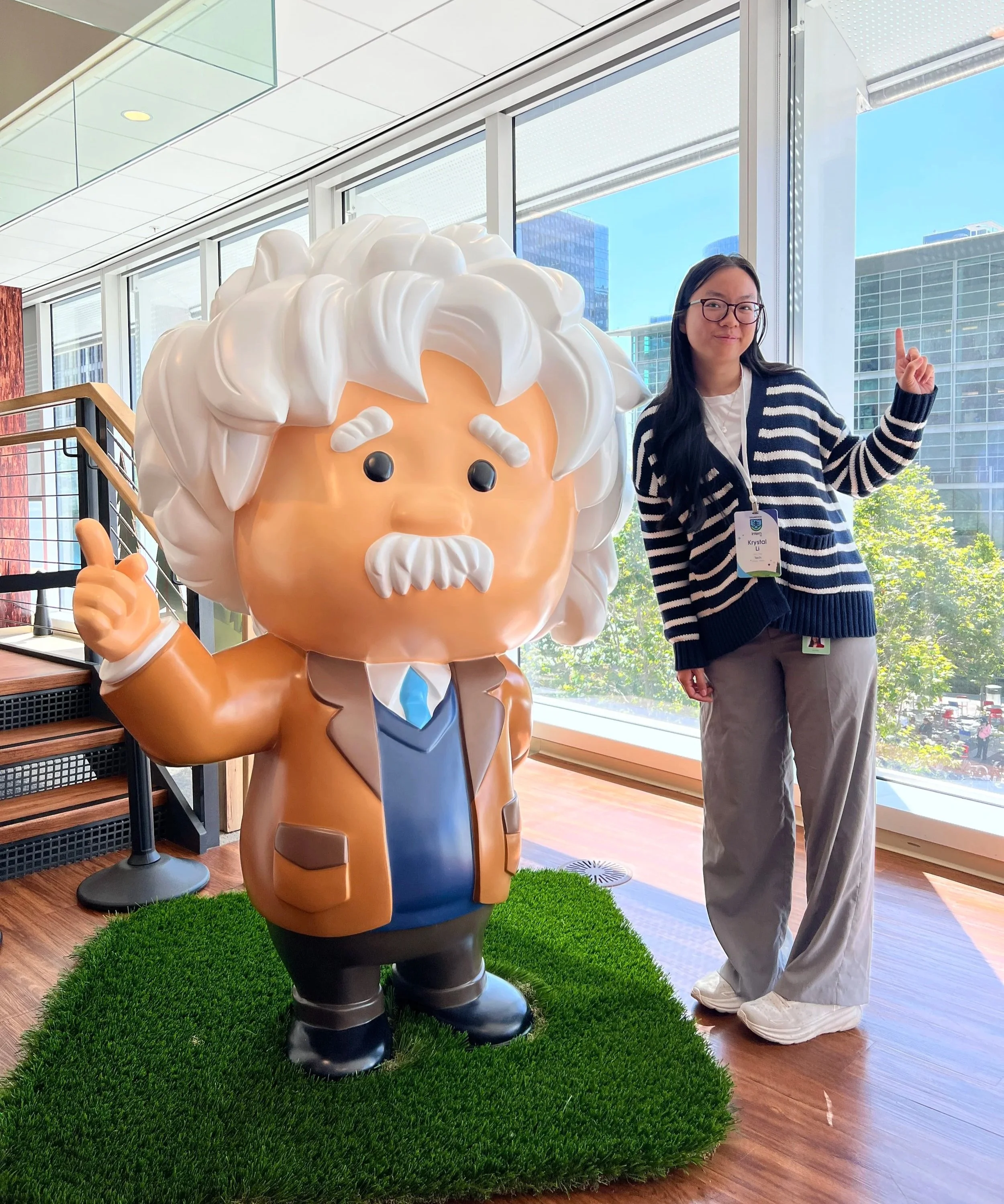
Designing AI-powered workflows
to empower research teams
UX Research & Design Internship,
June-August 2025
Impact
Conducted 15+ stakeholder interviews that revealed a gap in research operations, then designed and tested an Agentforce prototype to address it. Led end-to-end UX research and design for the resulting tool, which cut active work time by 75% and eliminated manual outreach. The project is now in active development post-internship.
My Roles
UX Research
UX/UI Design
Tools
Figma
LucidSpark
Project Overview
Research participant recruitment is a time-intensive, repetitive task that often leads to researcher burnout, especially at the scale of a company like Salesforce. I led UX research for a Research Operations agent built with Agentforce, designed to reduce friction in the recruitment process and give researchers more time to focus on meaningful work.
Challenge
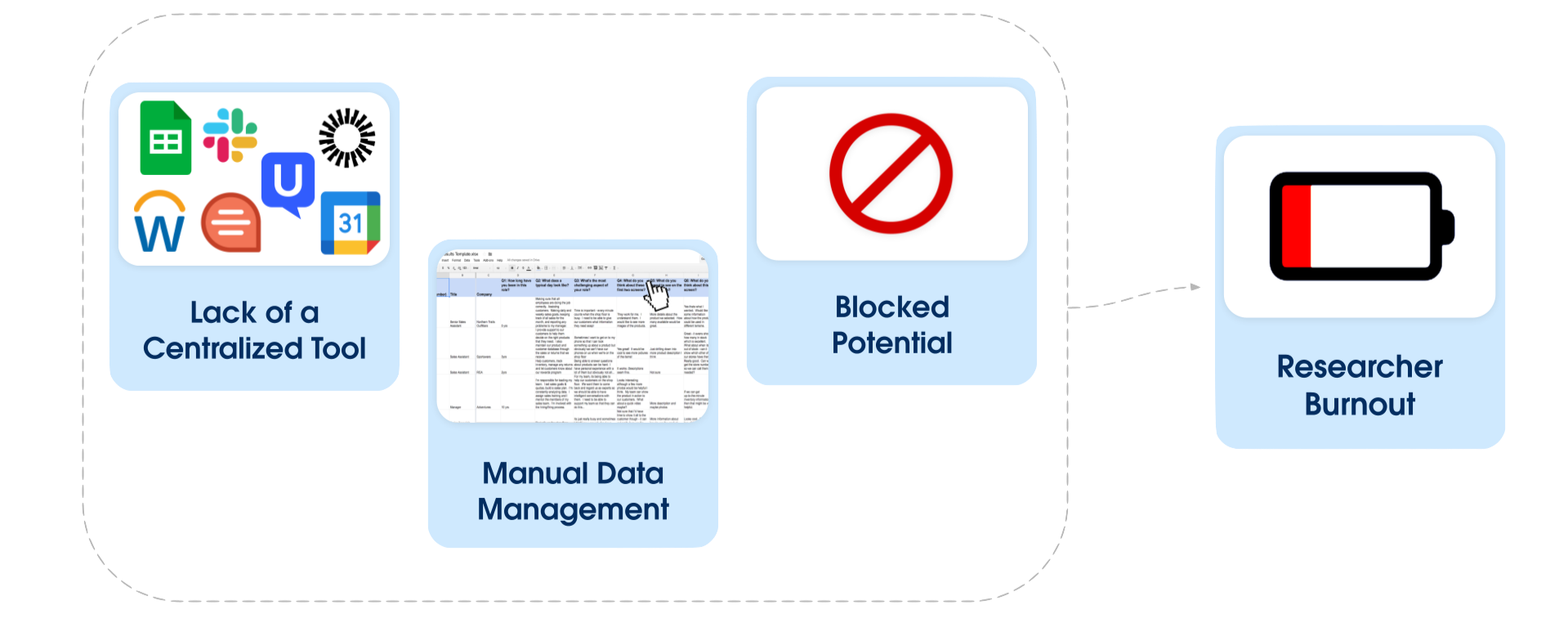
Recruiting participants can take UX researchers up to 8 hours per study, and requires sending hundreds of messages per recruit—with no central system to streamline the workflow. Researchers across teams faced:
Needfinding Methodology
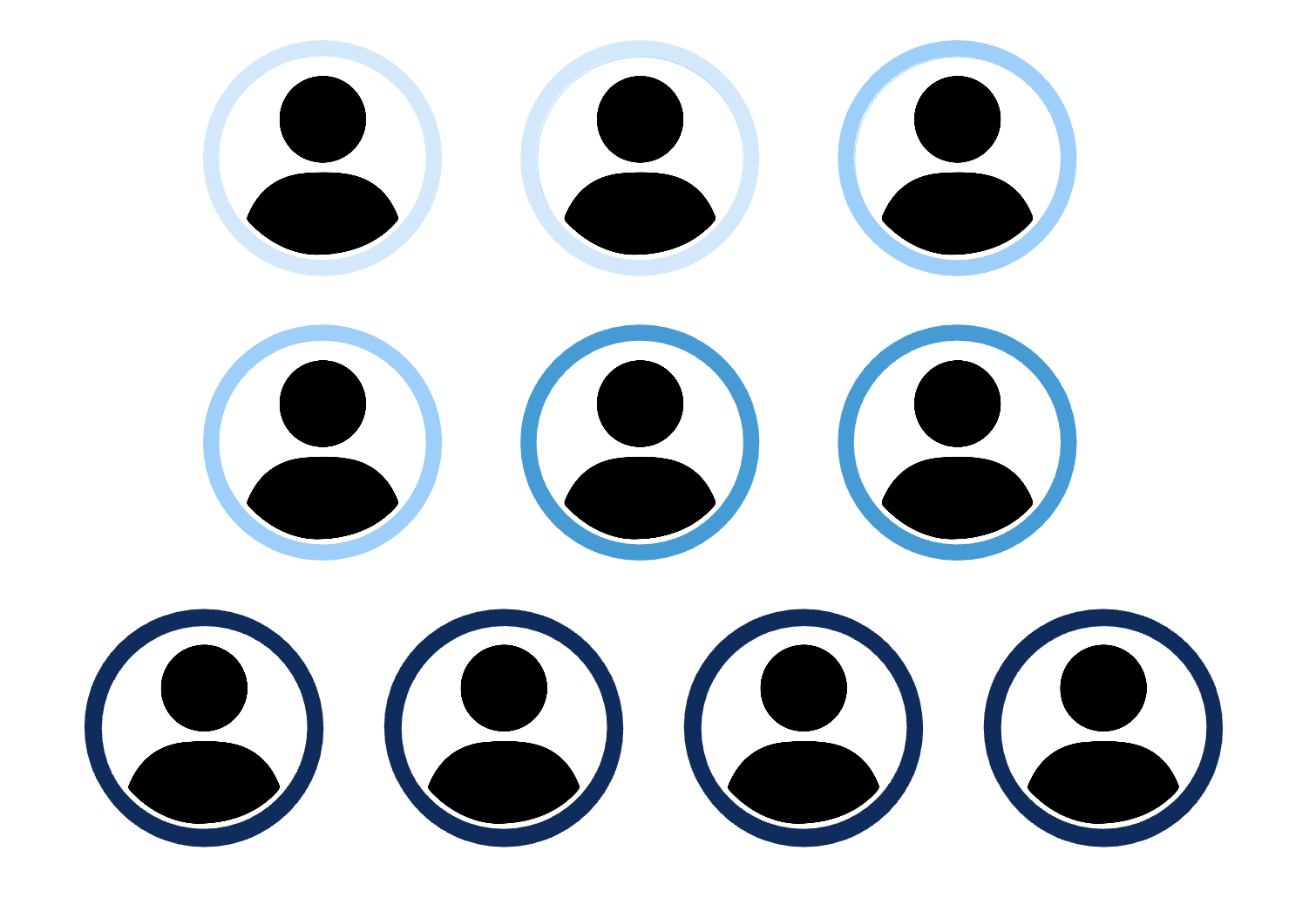
I conducted 10 user feedback sessions with researchers and research leaders.
Participants represented a diverse mix of roles and teams, including:
UX Researchers and Senior UX Researchers
Principal Researchers
Senior Researchers
Director, Senior Directors of Research

Research Process
Solution Ideation
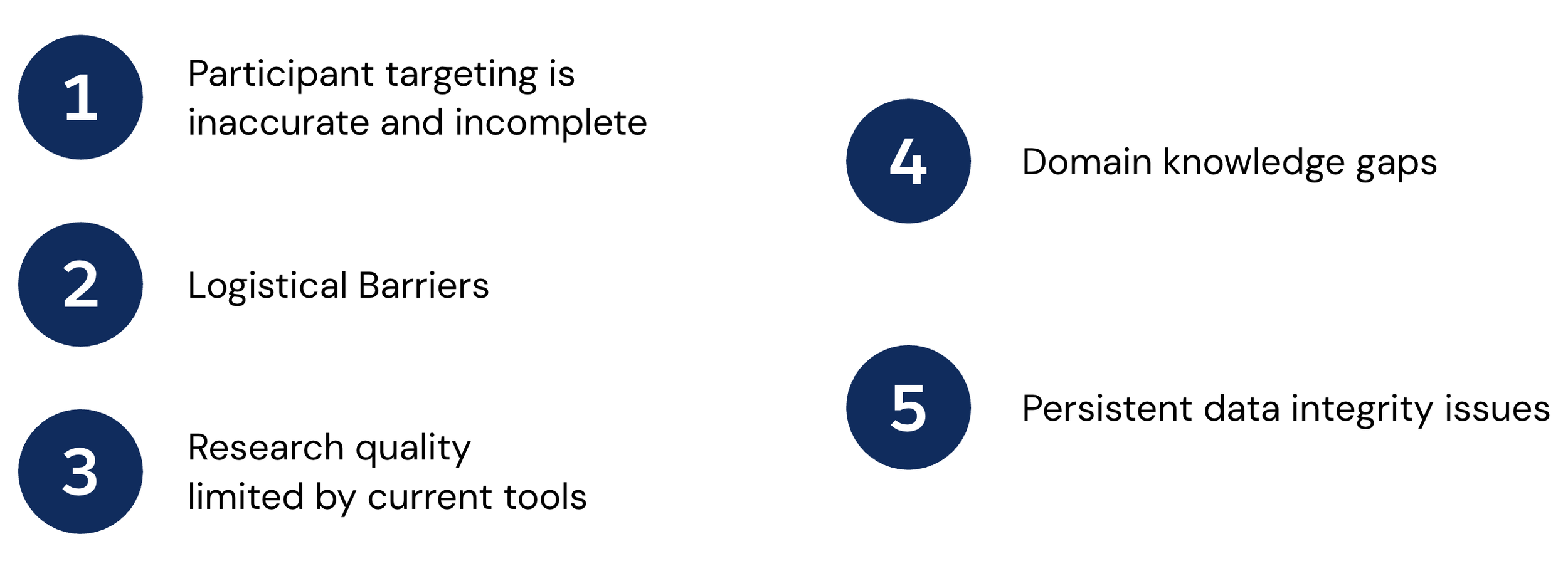
Conversations with researchers revealed five key pain points commonly encountered during participant recruitment and panel management:
How Might We Ideation
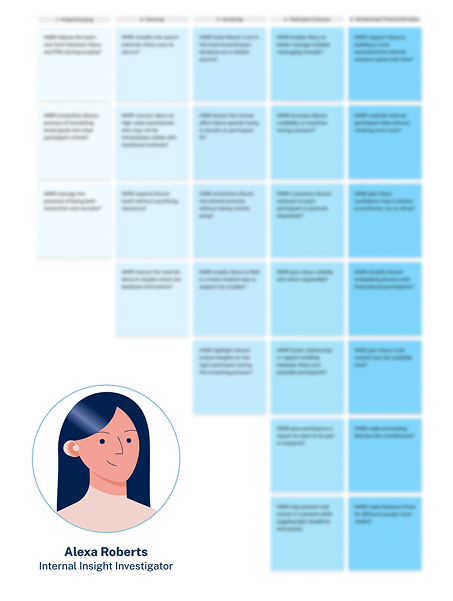
Drawing from the findings and the user persona, I analyzed user pain points and transformed them into actionable HMW statements, helping our team shift from identifying problems to exploring creative solutions.
Priority Mapping
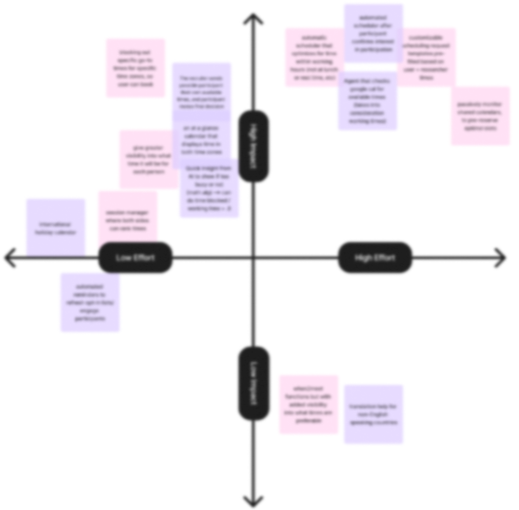
Collaborated with a UX researcher and software engineer to ideate on solutions for Alexa’s user experience challenges.
Future State Journey Mapping
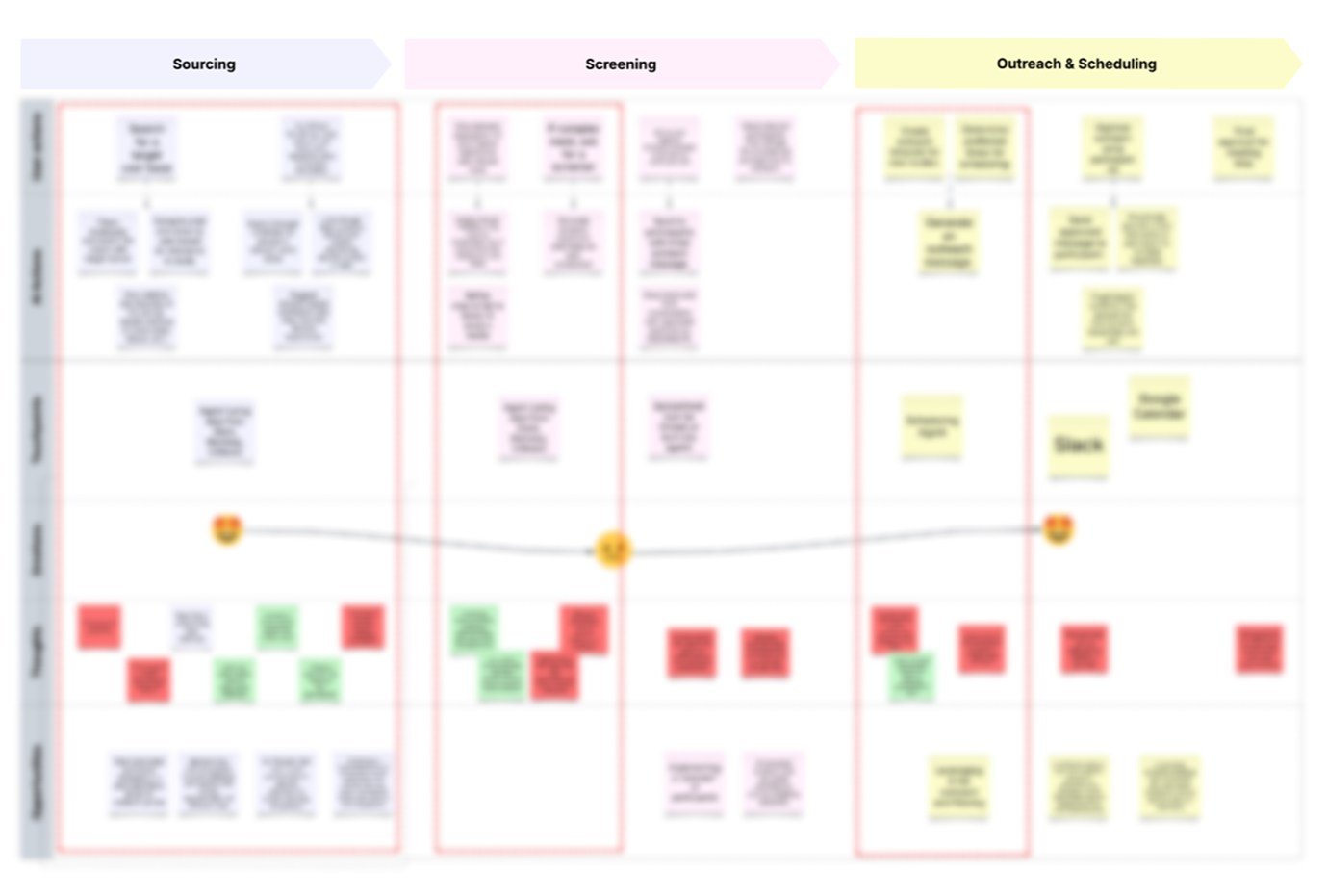
I created a future state journey map to understand how a user would interact with an AI agent and how that agent could support key parts of the recruitment workflow: like sourcing, screening, and scheduling with participants.
↓
Designing a Solution
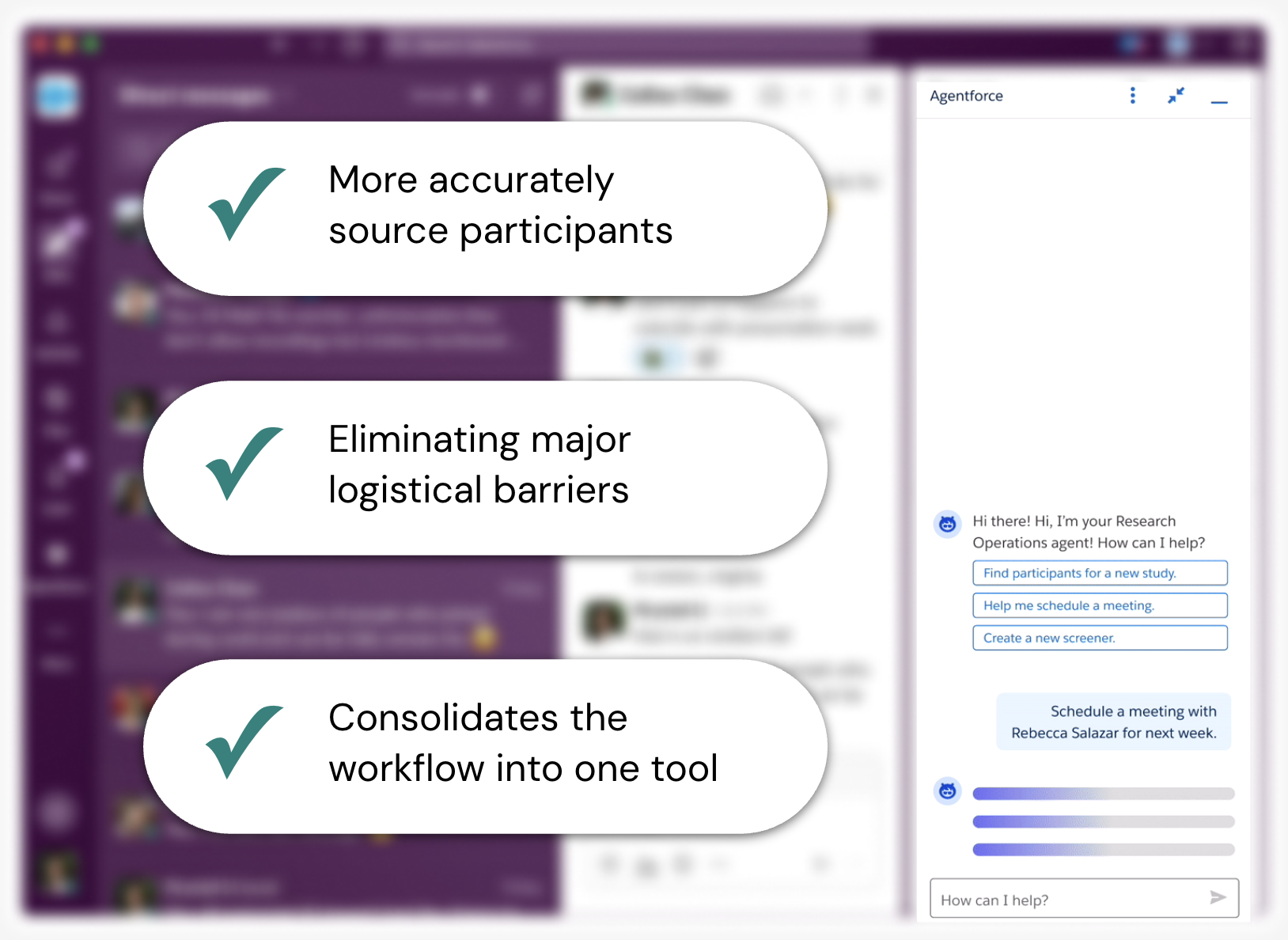
Using the journey map, I designed an Agentforce prototype that automates participant sourcing and scheduling, directly addressing three major pain points we uncovered.
Accurate Sourcing: Agent will pull data from multiple research tools, allowing it to more accurately match participants to each study’s needs.
Eliminate Logistical Barriers: The agent factors in researcher work hours, participant availability, and workload to automate scheduling, removing much of the manual coordination.
Unified Research Workflow: By consolidating key research tasks into one interface, the agent minimizes context switching and streamlines how researchers manage participants end-to-end.
Impact
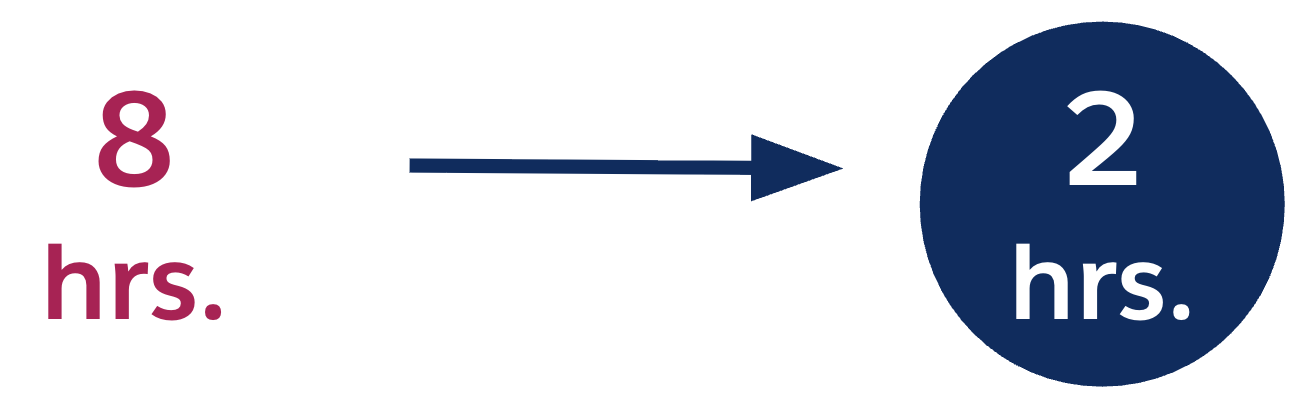
Active time spent recruiting
Recruiting messages sent

This prototype reduced active work time by 75% and eliminated the need for manual participant outreach, allowing researchers to focus on what truly matters: their research.
Reflections
During my internship, I solidified that success in design is not about executing what you assume is right, it’s about aligning with what truly serves your team and your user!
This experience taught me the importance of stepping back and asking why a problem exists before jumping into how to solve it. I found that the best solutions emerged not from immediate answers, but from thoughtful questions asked early, often, and all the time throughout the process.
By staying curious and grounding every decision in real user needs, this project helped me grow into a more intentional and empathetic researcher and designer!